★ ★ ★ EVERYTHING YOU NEED TO KNOW ABOUT SILVER AND GOLD PATINA ★ ★ ★
What Is Patina?
If you've ever admired the soft glow of an antique silver box, the rich green surface of an old bronze statue, or the character that develops on a well-loved piece of jewellery over time, you've already seen patina.
Patina is one of those words that is often associated with age, craftsmanship and beauty, yet it's frequently misunderstood. Some people view it as evidence of wear, while others see it as a mark of authenticity and history.
In this guide, we'll explore what patina is, how it differs from tarnish, why antique silver develops patina, whether gold patinas, and whether patina is something to embrace or remove.
What Is A Patina?
A patina is any surface change that develops naturally on a material over time through exposure to its environment.
Patinas can develop as a result of:
- Air and moisture
- Handling and touch
- Sunlight and weather
- Natural chemical reactions
- Everyday wear
Depending on the material, a patina can appear as a change in colour, texture or sheen.
For example:
- Copper develops a blue-green patina over time. A famous example is the Statue of Liberty.
- Bronze can darken and acquire rich brown tones.
- Wood develops a softer appearance through use and handling.
- Silver develops a darker surface layer known as tarnish.
- Antique Gold has a rich warm lustre from tiny scratches accumulated over time.
Patina is not unique to jewellery. It occurs on metals, wood, leather, stone and many other materials. In many cases, patina is considered evidence that an object has been used, cherished and allowed to age naturally.
Patina vs Tarnish
The terms patina and tarnish are often used interchangeably, but they are not exactly the same thing.
Patina is a broad term that describes any natural surface change that develops over time.
Tarnish is a specific type of patina that occurs on certain metals, including silver.
When sterling silver reacts with sulphur compounds in the air, it forms a thin layer of silver sulphide on the surface. This causes the metal to darken and is known as tarnishing.
In other words:
- All silver tarnish is a form of patina.
- Not all patinas are tarnish.
Interestingly, the distinction is often emotional as much as it is technical.
When we see a centuries-old silver object with softened dark tones, we often describe it as having a beautiful patina.
When we see the same darkening on a newer silver ring, we are more likely to call it tarnish and view it as something that needs to be cleaned.
Chemically, however, the process is the same.
Why Antique Silver Develops Patina
Antique silver develops patina because it has been exposed to decades, and sometimes centuries, of air, moisture, handling and environmental conditions.
Every time a silver object is handled, tiny amounts of oil and moisture are transferred from the skin to the metal. Over the years, these interactions contribute to subtle changes on the surface.
Silver also reacts naturally with sulphur-containing compounds in the atmosphere. This reaction creates silver sulphide, which causes the metal to darken.
Many antique silver objects have been polished repeatedly throughout their lives, meaning their patina is often the result of countless cycles of:
- Tarnishing
- Cleaning
- Handling
- Ageing
This combination creates the soft, mellow appearance often associated with antique silver.
Far from being a sign that the silver is deteriorating, patina is often evidence that the object has survived and been cared for over a long period of time.
This is why antique silver cutlery, jewellery, boxes and decorative objects can remain beautiful and functional even after hundreds of years.
Is Patina Desirable?
Whether patina is desirable is ultimately a matter of personal preference.
Some people love the bright, reflective look of freshly polished silver. Others prefer the softer appearance and character that develops with age.
Many collectors, jewellers and antique enthusiasts actively value patina because it tells part of an object's story.
A patina can:
- Highlight texture and detail.
- Add character and depth.
- Reflect an object's history and age.
- Create a unique appearance that cannot be replicated instantly.
In jewellery, some makers even deliberately oxidise silver to create darker tones and highlight intricate details.
That said, there is nothing wrong with preferring highly polished silver. Tarnish can easily be removed using a silver polishing cloth, and many people enjoy keeping their jewellery bright and reflective.
The important thing to remember is that patina is not a defect. It is a natural process that occurs as materials interact with the world around them.
Does Gold Develop A Patina?
Pure gold is highly resistant to oxidation and corrosion, which means it doesn't develop a patina in the same way as metals such as silver, copper or bronze. Unlike silver, gold does not typically change colour dramatically over time.
However, gold jewellery does change with wear. Over years of everyday use, tiny scratches accumulate across the surface of the metal. These microscopic marks scatter light differently, gradually softening the bright, mirror-like finish of freshly polished gold.
Many people find this ageing process attractive. Rather than developing a dark tarnish or coloured patina, well-worn gold often develops a richer, warmer lustre that gives it character and a sense of history. Antique gold jewellery frequently displays this gentle glow, which many collectors and jewellers value as part of the piece's story.
If preferred, a jeweller can restore the original high-polish finish through professional polishing, although some people choose to preserve the softer appearance that develops naturally with wear.
Conclusion
Patina is the natural surface change that develops on materials over time through exposure to their environment. It can alter colour, texture and appearance, and is often associated with age, craftsmanship and history.
When it comes to silver, tarnish is simply a specific type of patina caused by a natural chemical reaction on the surface of the metal. Unlike rust on iron, it does not destroy the silver beneath and can be removed if desired.
Whether you choose to polish your silver regularly or embrace the character that develops over time, understanding patina helps reveal a different way of looking at ageing. Rather than seeing every mark of time as a flaw, patina reminds us that beautiful objects can become even more interesting through use, care and the lives they accompany.
One of a Kind Silver Jewellery
Explore our collection of one-of-a-kind solid sterling silver jewellery.
-
Fairy Raincloud Earrings - One of a Kind
Regular price £550.00 GBPRegular priceUnit price / perSale price £550.00 GBP -
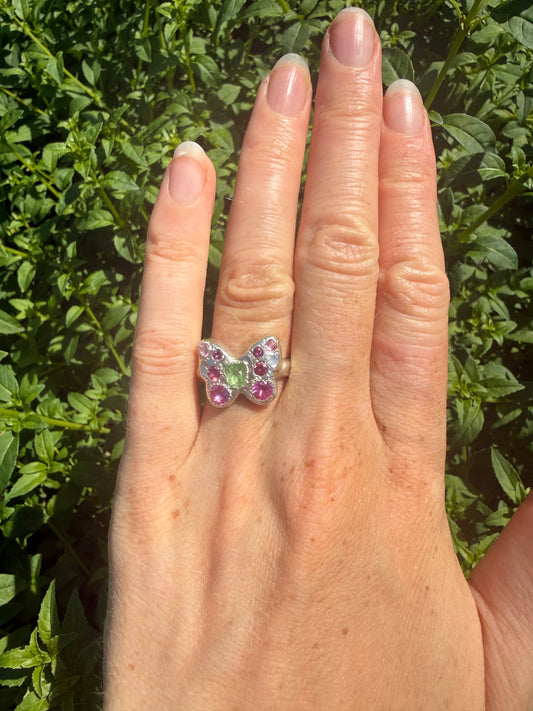
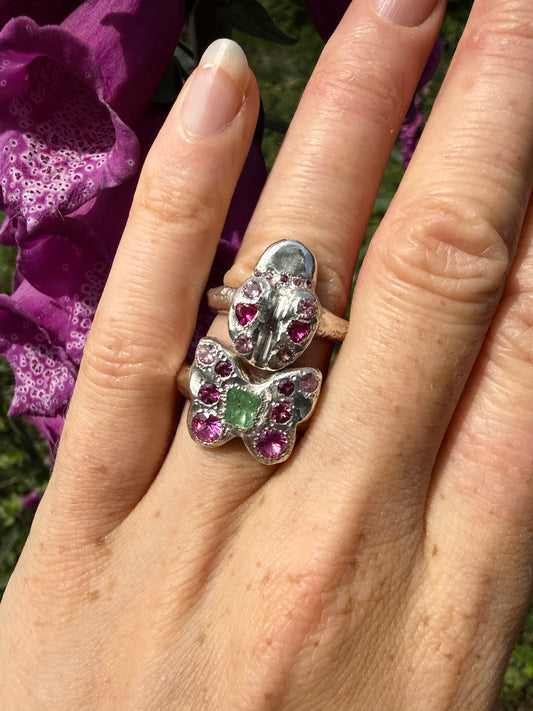
Seafoam the Butterfly Ring - One of a Kind - Size UK N / N 1/2 / O / O 1/2
Regular price £335.00 GBPRegular priceUnit price / perSale price £335.00 GBP -
Love Bug Ring - One of a Kind - UK N / N 1/2 / O / O 1/2 / P
Regular price £325.00 GBPRegular priceUnit price / perSale price £325.00 GBP -
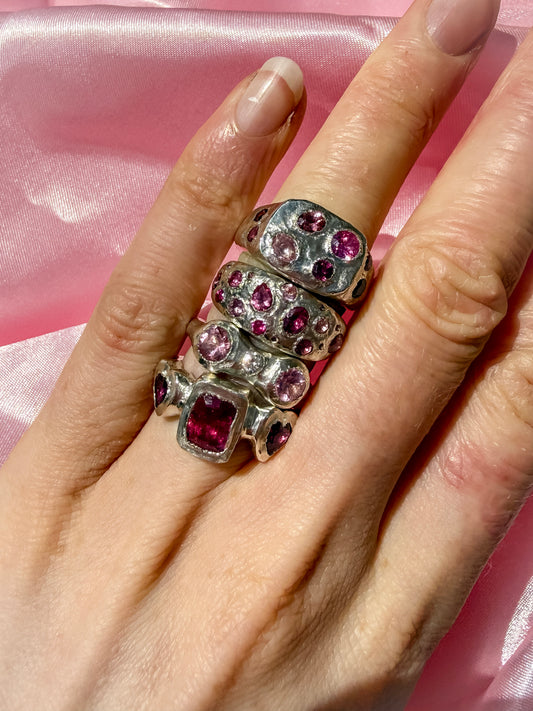
Berry Blossom Scatter Band - One Of A Kind - UK Size M
Regular price £345.00 GBPRegular priceUnit price / perSale price £345.00 GBP